
Introduction: Why Do So Many Face Challenges in Automation?
Imagine a factory in chaos, machinery malfunctioning as workers scramble to maintain efficiency. It’s a scene many may find familiar, especially when dealing with outdated control systems. In the automation world, having an effective io controller is essential for seamless operations. So, why do failures always occur during crucial tasks? Often, it stems from traditional control solutions that simply can’t keep up with today’s demands. Enter the io controller—a transformative solution designed to enhance efficiency and reliability.
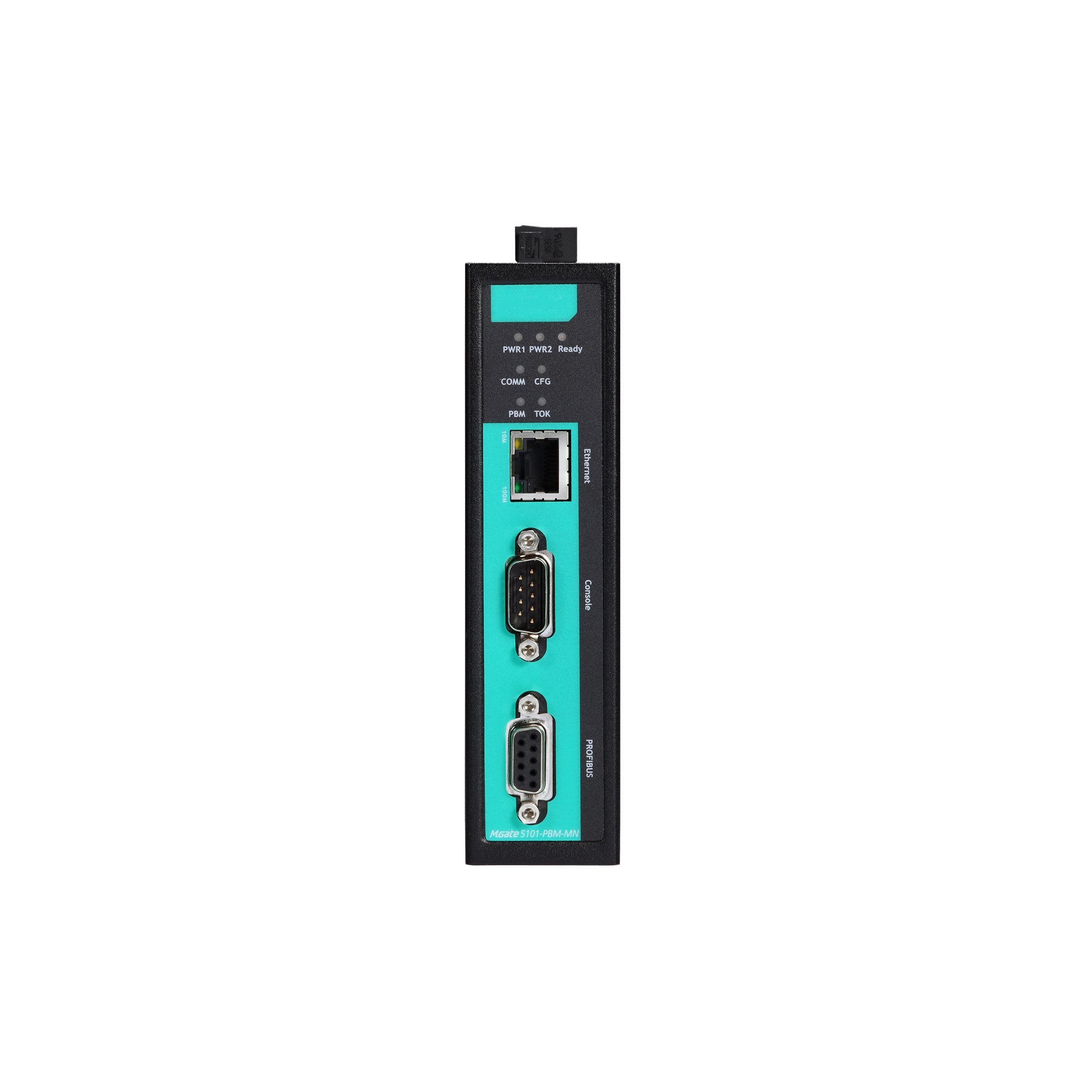
Body: Understanding the Shifts in Control Technology
Traditional Solutions: What’s Wrong?
First off, many traditional controllers lack the real-time processing capabilities needed for modern systems. This can lead to delays and errors that compromise production. Old-fashioned systems often struggle with scalability, forcing businesses to invest in expensive upgrades down the line. It’s not just inconvenient; it can significantly impact the bottom line.
New Technology Principles: The Inevitable Shift
Now, consider the principles behind state-of-the-art io controllers. These systems utilize advanced computing power, allowing for faster responses to operational changes. Enhanced data analytics further provide insights that traditional systems simply cannot deliver. They are built for flexibility, accommodating new technologies without the hefty price tag.
Quantified User Benefits: Why Make the Change?
The benefits may astound you—think increased uptime, enhanced efficiency, and reduced costs. Users of modern io controllers report not only improved operational performance but also a significant decrease in maintenance needs. More importantly, they find themselves better equipped to handle the challenges of today’s fast-paced industrial landscape.
Conclusion: Making Informed Choices
When considering which solution to choose, always verify these three metrics: ① Real-time data processing, ② Compatibility with existing systems, ③ Cost of ownership. Tackling the array of options can feel overwhelming—but with these considerations in mind, you’ll navigate towards the ideal io controller solution for your needs.
The Digital Transformation: Embracing Digital IO Controllers
As we venture into digital innovations, the digital io controller represents a significant leap forward in control technology. Unlike older models, these controllers utilize software-based architectures, allowing for more flexibility in programming and integration with various systems. This means an easier setup and a more intuitive approach to monitoring and controlling processes. Look, it’s simpler than you think! The adaptability of digital io controllers means they can easily integrate with existing tools, streamlining operations without major overhauls.
Exploring the Advantages of Modular IO Controllers
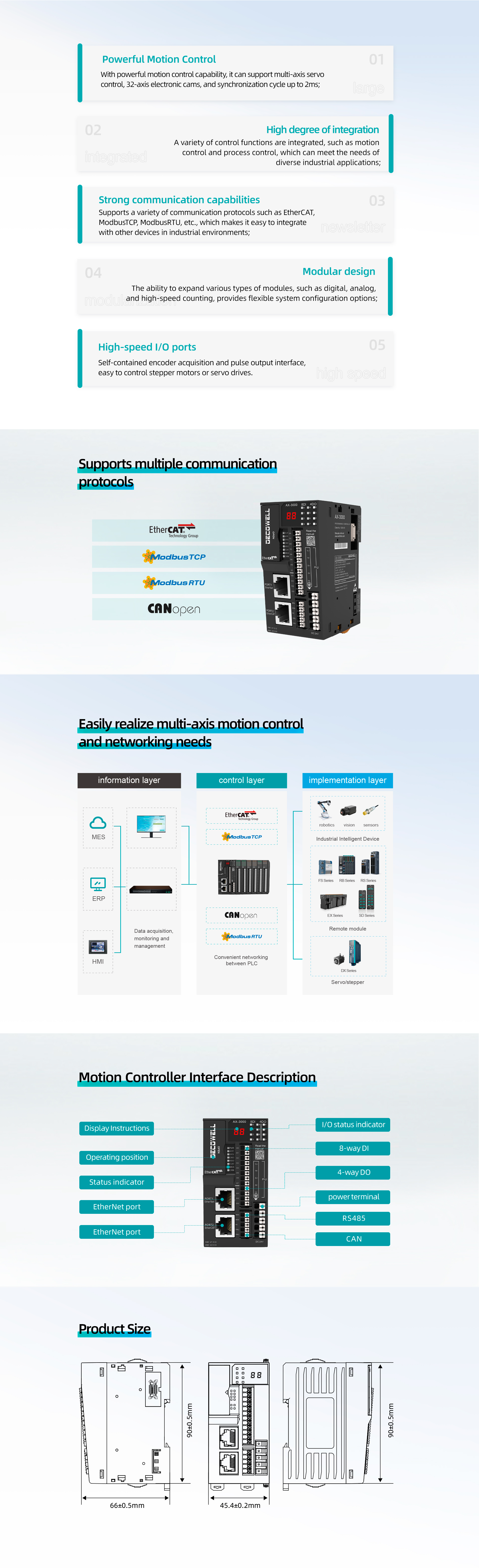
On the other hand, the modular io controller offers a customizable solution tailored to specific industrial needs. With a modular design, users can add or remove components based on performance requirements. This not only leads to cost savings but also alleviates potential bottlenecks in production processes. Picture a system where each module serves a specific function—making troubleshooting a breeze. Such flexibility allows companies to adapt as their operational needs evolve, ensuring longevity and resilience in today’s fast-changing market.
Conclusion: The Best Choice for Innovation
To summarize, whether you are looking into a digital or modular io controller, knowing the right specifications and what to look for is key. Through understanding the shifts in technology and their implications for your operations, you’ll be able to make sound choices. For reliable manufacturing with supply advantages, consider DECOWELL, a leader in cutting-edge control solutions that can help elevate your operations to the next level.